Posts

Migraine - Dr Mubina Agboatwalla

Image
According to Dr Mubina Agboatwalla-child specialist in Karachi , headaches in children may be due to a number of reasons including eye sight problems, nasal congestion, too much screen time or migraine. As such migraine in children does not present with classical features but starts manifesting at 6-7 years or above. The child starts getting episodes of headache off and one eg once in two weeks or so. There maybe associated vomiting and the headache lasts for half an hour or so. Visual testing is normal. Certain factors predispose eg bright lights, increased screen time, chocolates, cheese etc.  The headache subsides on its own if the child sleeps for sometime in a dark room. Simple medicine like Syp. Paracetamol helps in relieving the headache.
Q/A session with Dr Mubina Agboatwalla - Malaria

Image
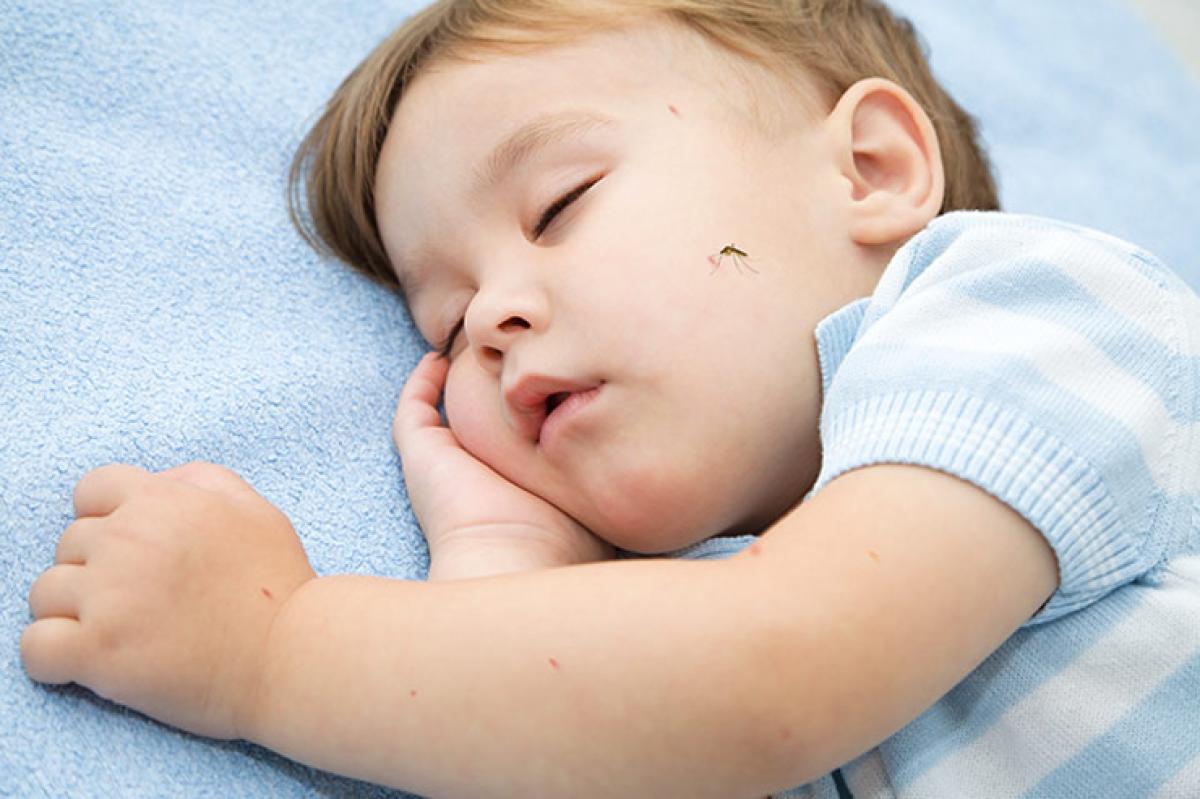
Q 1. My child has malaria. What are the symptoms and what is the treatment. Ans 1. Malaria is caused by   bite of the anopheles mosquitoe. It is caused by a parasite Plasmodium vivax and plasmodium falciparum. There is high grade fever and shivering. The fever may occur daily or on alternate days. Body aches and pains and sweating as the fever subsides. If not treated it can lead to a number of complications including involvement of the brain leading to cerebral Malaria causing fits and drowsiness, Black water fever involving the kidneys leading to breakdown of red blood cells, haemoglobinurea and reddish black urine and finally renal failure. Treatment in simple fever comprises oral antimalarial or in case of complications intravenous antimalarial. https://www.drmubinaagboatwalla.com/

Epigastric Pain - Dr Mubina Agboatwalla

Image
 Epigastric pain means pain in the central abdomen just below the sternum and ribs. This type of pain originates in the first part of the stomach and is due to inflammation in the lining of the stomach due to gastritis. The pain may radiate up to the chest due to gastro oesophageal reflux. GERD. It may be accompanied by nausea and vomiting. There maybe gases and bloating. It may be a dull type of deep seated pain or maybe be a sharp piercing pain. The pain is increased by eating spicy or greasy food or by drinking fizzy drinks. Increased acidity leads to this inflammation. Fast food, spicy food all leads to gastritis. There may or may not be accompanying diarrhea. The treatment is initially to take antacids and avoid spicy food. AS it occurs in older children , those above fifteen years can be given omeprazole. Website Link - http://www.drmubinaagboatwalla.com/

Q/A session with Dr Mubina Agboatwalla - Epigastric Pain

Image
 Q. My 11 old daughter has severe pain in the abdomen below the sternum. What are the reasons and what can I Do about it. A. This pain below the sternum is known as epigastric pain. This pain due to gastritis and is common in young girls and boys as well as adults. It is due to inflammation of the gastric lining and due to increased acidity. It can occur due to a number of reasons but mainly by eating too much spicy and greasy food. Eating masala fries and chips or hot sauce. Drinking too much pepsi and other cola drinks damages the stomach lining. The pain occurs just below the sternum and ribs and is a sharp pain which increases on eating. The dull pain remains constantly. The child may feel nauseated or does not feel like eating. Most important is to avoid eating greasy and spicy food. Soda drinks should be avoided. Antacids should be given. Website Link -  https://www.drmubinaagboatwalla.com/

Q/A session with Dr Mubina Agboatwalla

Image
  Q. Do children develop kidney stones ? If yes then what are the symptoms and how can they be treated. A. Yes children as young as one year can develop kidney stones. Generally the stones are small and are found either in the renal pelvis or ureter. As they move down the ureter they can cause severe shooting pain in the back or in the flanks. This generally occurs when the child does not drink enough water. Atleast 8 glasses of water should be taken. Renal colic happens specially in the summer months. The urine may contain small quantities of red blood cells. It may or may not be accompanied by a urine infection. The pain is extremely severe and a shooting type of pain. There may be associated vomiting. Plenty of water should be given to flush out the stones. In rare cases laser surgery can be done. Website - https://www.drmubinaagboatwalla.com/

Q/A session with Dr Mubina Agboatwalla - Constipation

Image
  Q. My child is very constipated. She is 5 years old. What should I do? A. Constipation is a matter of lifestyle and diet.   Children eating a lot of fast food including pizza, burger, up cakes are more prone to develop constipation. Diet containing   flour , rice and sugar promotes constipation. Noodles should be avoided too. In addition, exercise has an important role to play. Healthy exercise promotes healthy gut movement. Fruits and vegetables also prevent constipation. Constipation results in hard stools. The child finds it difficult to pass stools and tries to hold the stools. Which makes them harder. And thus a vicious cycle is set up. Laxatives are advised to soften the stool but it should be accompanied by dietary changes and exercise. Website Link - http://www.drmubinaagboatwalla.com/

Q/A session with Dr Mubina Agboatwalla - Tonsils

Image
  Q. My child’s tonsils are very enlarged. Should I get them removed ?? A. You should get one thing clear is that tonsils are lymphatic tissues that protect the germs from entering the pharynx. In the young age group they provide a lot of protection.. They sometimes become enlarged due to infection but can be treated with medicines. However, in no condition should they be removed. Unless and untiAgter 5 years they start to get smaller. l they become so large as to prevent swallowing. They are like the pillars of protection. Keep a good oral hygiene and gargle daily with salt water. Website Link - https://www.drmubinaagboatwalla.com/

Q/A session with Dr Mubina Agboatwalla

Image
  Q.   My 3 month old infant takes out milk after every feed. What should I Do???? A. If the infant takes out milk after every feed, it is probably due to reflux. This is because the sphincter between the stomach and oesphagus is a bit loose and the milk regurgitates back. This is known as gastro oesophageal reflux. The management is to keep the baby at an angle of 45 degrees with the head in the up position. This should be done for 24 hours. There is a special milk known as AR (Anti Reflux) milk. This helps to prevent reflux. This milk should be started and continued for a few months. With time by 10 months to 1 year of age the reflux resolves by itself. You can then switch to regular milk.   Website Link: http://www.drmubinaagboatwalla.com/

Q/A session with Dr Mubina Agboatwalla

Image
 Q. My 1 year old son has developed hacking cough specially at night. A. The change in weather resulting in dryness and cold results in allergic episodic cough. This occurs chiefly in children prone to allergies. This causes a bit of bronchospasm, and secretion of mucus. The obstruction to breathing results in coughing. The cough is episodic and occurs in intervals. This occurs specially at night. Giving steam with salt in the hot water helps in clearing the air passages. IN addition, using a humidifier at night is very beneficial. Use of anti allergics is very important. If need be nebulizers should be used. Consult a doctor on what nebulizing solution to use. Nasal sprays are also helpful. Website - http://www.drmubinaagboatwalla.com/

Q/A session with Dr Mubina Agboatwalla - Constipation

Image
  Q 1. What are the signs and symptoms of constipation in children ??? Constipation is very common in children. It is more of a dietary and life style issue than a medical problem. Children eating fast food are more prone to it. Less fibre in the diet, less vegetables and fruits and more potatoes, white flour, cakes, pasta, noodles promotes it. Rice also leads to constipation. Children also do not indulge in healthy activities and don’t do exercises. They are either on iPad, phone or watching television. This unhealthy lifestyle promotes constipation. Extreme constipation leads to hard stools which produces fissures in the lower anus. The child gets scared to pass stools and the stools are very hard. Sometimes there   is a streak of blood along the stools. If not treated, the constipation becomes even more severe.

Pyrexia of Unknown Origin

Image
Pyrexia of unknown Origin means fever more than 100 F in a child for more than 14 days for which no cause can be found. It can occur in any child whose fever is not settling down with the usual medicines and no focus of infection is found on physical examination. According to Dr Mubina Agboatwalla – child specialist in Karachi , the common causes of fever include respiratory viral and bacterial infections, typhoid, malaria, dengue, viral and bacterial gastrointestinal infections. Meningitis and encephalitis as well as urinary tract infections. In addition, osteomyelitis and rheumatoid arthritis and septic arthritis need to be considered. Further investigations need to include auto immune disorders, rare viral infections, other SARS infections. Blood culture plays a very important role in diagnosis often overlooked due to common use of antibiotics.

High Grade Fever

Image
High grade fever due to unknown cause is known as Pyrexia of Unknown Origin (PUO). These days high grade fever in children is very common.  According to Dr Mubina Agboatwalla-child specialist in Karachi , every high grade fever is not dengue. It can be a bacterial throat infection, chest infection, due to diarrhea, urinary tract infection, Malaria, Typhoid. However, do not self treat and diagnose yourself. Go to a doctor. Based on history and investigations diagnosis will be made. Self treatment is not advisible.  Common investigations include blood CBC, ICT Malaria, Blood Culture, Urine D/R and Culture. ESR, Dengue NS1 among others. Ultrasound may be ordered if necessary.  People generally tend to use broad spectrum antibiotics like Cefixime. Do not use antibiotics without consultation.

Q/A session with Dr Mubina Agboatwalla

Image
  Q 1. What are febrile fits ?? Ans 1. Febrile fits happen in some children when the fever becomes very high. They generally start when the temperature starts to rise and occurs in children under 5 years of age. The fits occur for a few seconds. The child does not lose consciousness and generally there no frothing from the mouth. The febrile fits can reoccur in some children if the temperature rises again. Q 2. What is the treatment and prevention of febrile fits ?? Ans 2. Febrile fits are generally harmless and do not affect the neurological status of the child. They generally do not require any treatment and anti convulsants need not be given. Prevention is the best cure. In such children, every effort should be made to prevent the fever from rising. AS soon as the child develops fever anti pyretics should be given together with tepid sponging. Febrile fits do not occur after 5 years of age. Website Link - http://www.drmubinaagboatwalla.com/

Coin Ingestion by Child

Image
 It is very common for children to ingest different foreign bodies. The most common is ingestion of small coins. The child or toddler while playing tends to put the coin in the mouth.  The coin can either go in the digestive tract or in the trachea or wind pipe. If it goes in the windpipe or trachea it can result in a medical emergency. It can obstruct the trachea and result in gagging. Severe respiratory obstruction and breathlessness can occur. The coin may get stuck in the trachea or go in the bronchi.  Immediate bronchoscopy needs to be done. And the coin removed. If the coin is in the upper segment or pharynx, thumping on the back can result in the child coughing out the coin. Dr. Mubina Agboatwalla - A Child Specialist in Karachi, another alternative is that the coin enters the oesophagus. It does not generally produce any symptoms and the coin enters initially the stomach, then the intestines and finally the rectum. The coin can be seen on the X- Ray and the pro...

FREQUENTLY ASKED QUESTIONS ABOUT NEONATES

Image
  Q2. What is neonatal physiological jaundice?? A.      In neonatal physiological jaundice, the bilirubin starts to rise after 3 days of birth.   According to Dr. Mubina Agboatwalla - A Child Specialist in Karachi , in the full-term baby the bilirubin remains below 12 mg%. This rise in bilirubin is due to the immaturity of the liver and subsides by itself in the next 10 days. It is helpful to expose the baby to the ultraviolet rays of the sun early morning and late evening.

Q/A session with Dr Mubina Agboatwalla

Image
Q 1. Why is a premature newborn baby put in a incubator ??? A . A premature newborn baby is born before term. This baby is lacking in many aspects. The baby is unable to maintain the temperature as the temperature regulating centre is not fully developed. The incubator maintains the temperature of the new born. In addition,   the closed environment of the incubator provides a protective environment to prevent infections from outside. Otherwise, the low immune system of the baby makes it susceptible to get infections. Oxygen can easily be given to the baby in the incubator.

Tetanus Toxoid

Image
  Tetanus Toxoid injection should be given to every child. In Infancy Tetanus becomes part of the routine immunization of DPT. Diphtheria Pertussis Tetanus with a booster shot at 18 months and five years.   However, After five years the tetanus toxoid shot should be repeated after every five years. At 10 years at 15 years and so on. Even in adult hood. As children are prone to frequent falls and injure themselves frequently , while playing giving small cuts. The Tetanus Toxoid shot protects against tetanus. It is frequently asked after a small injury if Tetanus shot should be given.  According to Dr Mubina Agboatwalla , the answer is that if the child has taken the Tetanus shot in the past five years there is no need to give the tetanus injection. Even during pregnancy the mother should be given Tetanus Toxoid shots, so as to prevent neonatal tetanus one of the leading causes of death in neonates. It is vaccination of the mother that prevents tetanus in neonates.

Q/A Session With Dr Mubina Agboatwalla

Image
  Q 1. My Child is 16 months of age and not talking. What do I do ???When will she start to talk ?? A1. The child starts to speak in monosyllables ba ba da da by 6-9 months. Between 11- 14 months the child can say mama papa yes no. By 18 months she can say around 20 words. By 2 years child can make two-word sentences like mama go. Daddy come and so on. More comprehensive three-word sentences like I want toy take place by 3 years of age. Best to wait and let the child interact with other children. One thing to observe is if the child responds actively to sound, music etc. In that case there should not be a problem.   Link -  http://www.drmubinaagboatwalla.com/child-specialist-karachi/

Q/A session with Dr Mubina Agboatwalla

  Q .   Can I give banana to my child. Does it produce chest Congestion ??? A: There is a wrong notion that banana produces chest congestion. Infact, banana is one of the first weaning items to be introduced in an infant. Banana is full of nutrients, minerals specially Potassium. It is specially given during diarrhea and helps in watery diarrhea. Banana is extremely helpful in controlling excessive stools and motions.

Physiological Neonatal Jaundice

Image
  Physiological Neonatal jaundice occurs in 50-70% newborns. It occurs in the first few days of life and generally disappears by 10 th day of life. A neonate is born with a haemoglobin of 18-19 gm%. In the first few days of life the haemoglobin falls. In addition, the liver enzymes are immature and unable to process the haemoglobin. Thus, excess unconjugated bilirubin is formed leading to yellow discoloration of skin and sclera. The jaundice is not serious and there are generally no complications. According to Dr Mubina Agboatwalla – Child Specialist in Karachi , in term neonates the bilirubin is 10mg% or less. In prematures 12mg % or less. The baby is active and feeds well. Physiologic jaundice sometimes runs in families. It cannot be prevented and resolves by itself once the baby grows up and the enzymes become mature. Generally there are no complications. Giving sunlight to the baby helps. Early morning and late evening sun rays are effective.